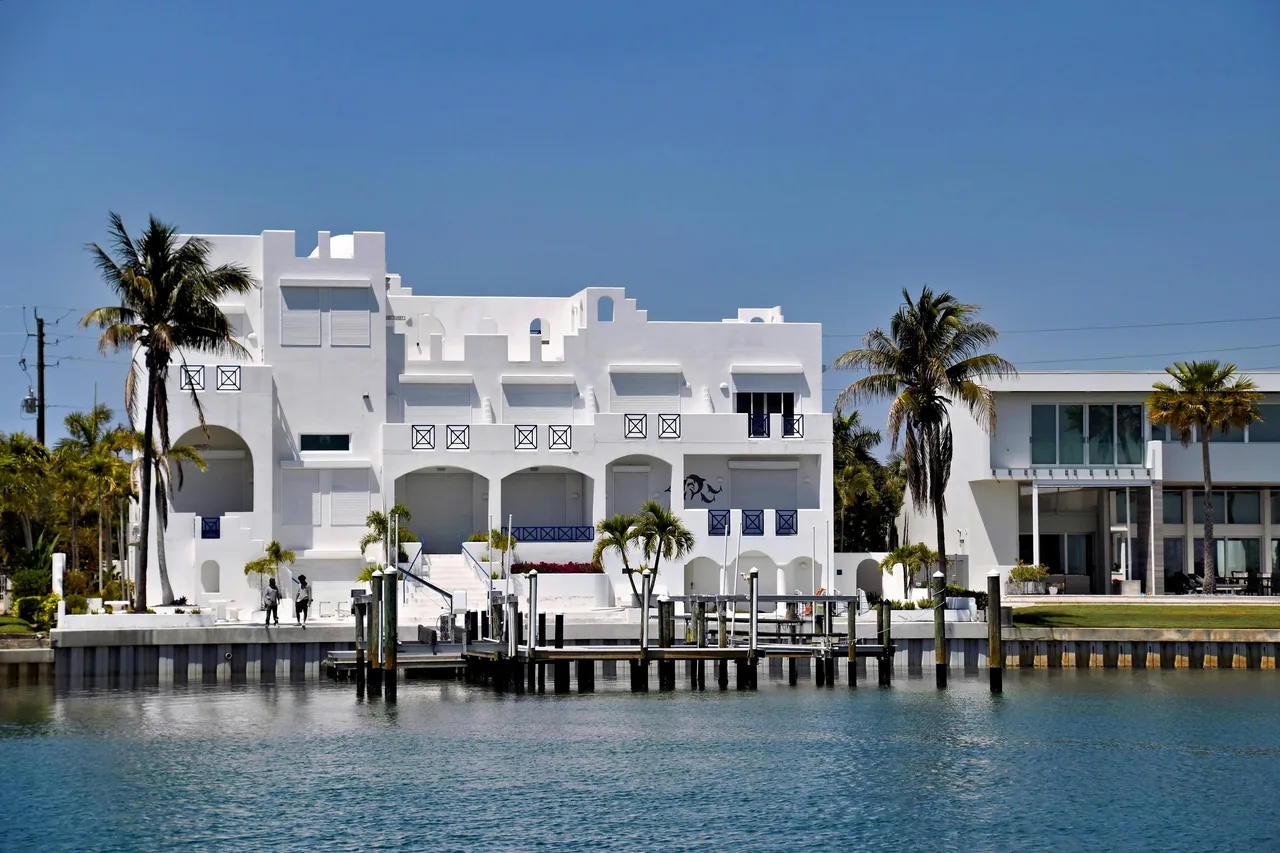
Exterior painting in Florida is a sun-and-water problem before it is a color problem. The Florida combination of intense UV, daily humidity, and wind-driven rain chalks and fades ordinary exterior paint in a few years and drives water into every hairline crack a stucco wall develops. Coat over an unwashed, cracked surface and the new paint peels within a season while water works in behind it. A repaint that lasts in Florida starts with washing and crack repair, then uses a UV- and mildew-resistant acrylic on siding and trim, or an elastomeric coating on stucco and CMU block that bridges hairline cracks and sheds rain. The numbers that matter are the surface prep, the coating system, and the exposure — not the sticker. We inspect the walls, repair the cracks, prime the masonry, and apply the right system for the way the house faces the sun.
Watch
See Exterior Painting Done Right in Florida
What Exterior Painting Covers, and Why Prep Decides It in Florida
An exterior repaint that survives Florida is mostly preparation. Washing, crack repair, and priming are what make the coating last — paint applied over chalk, mildew, or open cracks fails fast no matter how good the product. A complete exterior scope includes the following.
- Pressure washing — chalk, mildew, dirt, and pollen removed so the coating bonds to a clean surface
- Crack and stucco repair — hairline and larger stucco cracks patched, failed areas repaired, and old caulk replaced
- Masonry priming — bare or repaired stucco and block sealed with a masonry or bonding primer
- The coating system — UV- and mildew-resistant acrylic on siding and trim, or elastomeric on stucco and block
- Trim, soffits, and doors — fascia, soffits, doors, and the garage door coated with the right finish for each material
Acrylic or Elastomeric for Your Walls?
Free on-site visit, stucco and crack assessment, and a coating recommendation matched to your exposure — written estimate, no pressure.
Elastomeric vs Acrylic: The Florida Stucco Decision
On a Florida stucco home, the coating choice usually comes down to elastomeric versus a quality acrylic. Elastomeric is a thick, flexible film that bridges hairline cracks and forms a continuous water-shedding barrier — ideal for the cracked, porous stucco that is so common here. A sound, smooth surface can do well with a UV-resistant acrylic, which breathes more and costs less. The walls decide.
- Elastomeric on cracked or porous stucco — bridges hairline cracks, builds a thick continuous film, and sheds wind-driven rain
- UV-resistant acrylic on sound stucco and siding — strong color retention and breathability where the surface is smooth and intact
- Mildewcide in the coating — resists the mildew and algae that Florida humidity grows on shaded walls
- Masonry primer first — seals the substrate so either system bonds and holds
- Coastal salt-air rating — coatings selected for corrosion and salt exposure on homes near the water
Why Florida Exterior Painting Is Different
The Florida exterior fights the sun, the rain, and the stucco all at once. A crew used to a mild climate paints on a steady schedule with a standard product. In Florida, the coating has to handle relentless UV and mildew, the stucco has to be crack-repaired before any color goes on, and the schedule has to dodge afternoon storms so each coat cures.
- UV- and mildew-resistant systems specified because Florida sun and humidity destroy builder-grade exterior paint
- Hairline stucco cracks bridged or filled so wind-driven rain cannot get behind the finish
- Pressure washing and mildew treatment before priming, since nothing sticks to chalk and mildew
- Coating timing planned around Florida rain and humidity so coats cure instead of washing off
- Sun exposure considered — south- and west-facing walls and coastal salt air get the most durable system
Stucco Cracks and Wind-Driven Rain: Fixing the Cause
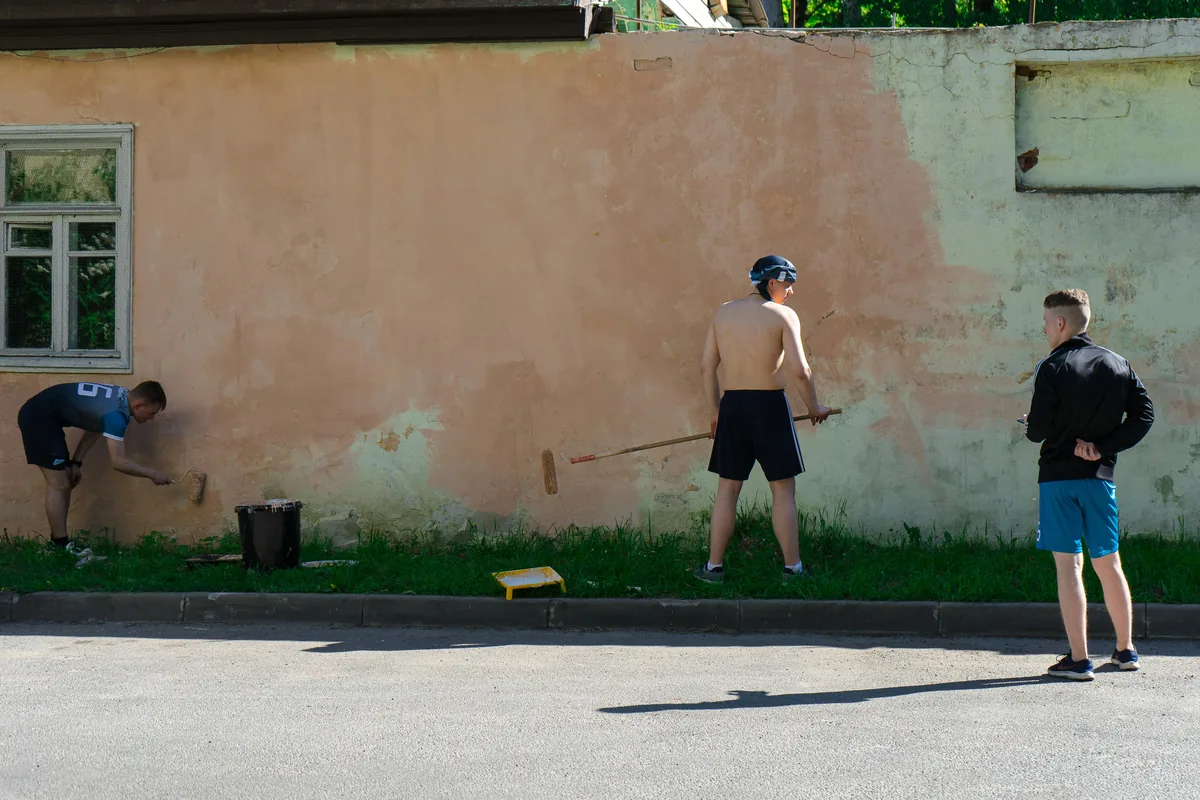
Hairline cracks are normal in Florida stucco, and painting over them with thin paint does nothing. Curing, settling, and the daily heat-and-moisture cycle open fine cracks that thin coatings telegraph straight through — and in a wind-driven rain, water finds those cracks and gets behind the finish. The durable fix patches the cracks and either bridges the hairlines with elastomeric or fills and seals them before an acrylic topcoat.
Larger or structural cracking is a different conversation, and where a crack signals more than surface movement we will tell you so the cause can be addressed rather than painted over. Browse all walls & surfaces services →
Permits, HOAs, and Color Approval in Florida
Exterior painting itself is cosmetic and does not require a permit. Two Florida-specific wrinkles do come up: many communities and HOAs have color-approval rules, and stucco repair that becomes structural can fall under the Florida Building Code. We tell you up front whether your project involves anything beyond paint, and HOA color approval stays with the homeowner so the scheme is signed off before we start.
Most exterior repaints are wash, repair, prime, and coat. We keep the written estimate clear so you can see what is included — body, trim, soffits, doors — and we coordinate around your HOA timeline where one applies.
Our 6-Step Exterior Painting Process
Every Pro Work exterior painting project follows the same six-step framework — built for a durable, water-shedding finish in Florida sun and storms.
- Free on-site consultation. We inspect the stucco, block, or siding for cracks, chalking, and mildew, check sun exposure, and recommend an acrylic or elastomeric system. No commitment.
- Written estimate. Line-item breakdown — washing, crack and stucco repair, primer, coating system, and timeline. Delivered after the visit.
- Pressure wash & repair. Wash off chalk, mildew, and dirt, then patch hairline and larger stucco cracks and failed caulk so the coating bonds to a sound surface.
- Prime the masonry. Bare or repaired stucco and block sealed with a masonry or bonding primer so the topcoat adheres and resists Florida moisture.
- Apply the coating system. UV- and mildew-resistant acrylic on siding and trim, or elastomeric on stucco and block to bridge hairline cracks and shed rain.
Color That Survives Florida Sun
Fast reply. Experienced crews. Washed, crack-repaired, UV-rated. Exterior done right, the first time.
How to Identify a Qualified Florida Exterior Painter
The product on the wall matters less than the wash, the crack repair, and the system match. Verify all of the following before signing anything:
- Pressure washes and treats mildew first
- A qualified Florida painter never coats over chalk and mildew. Washing and mildew treatment before priming is non-negotiable, and a quote that skips it is a red flag.
- Repairs stucco cracks before painting
- Hairline cracks telegraph through thin paint and let water in. A reputable crew patches and bridges or seals the cracks rather than burying them under a coat that will fail.
- Recommends the right system for the surface
- Elastomeric on cracked, porous stucco; UV-resistant acrylic on sound surfaces. Ask why the recommended system fits your walls and your exposure.
- Primes the masonry
- Bare and repaired stucco and block need a masonry or bonding primer for the topcoat to hold. Skipping primer is a common cause of early peeling.
- Plans around Florida weather
- Afternoon storms and humidity affect curing. A crew that schedules coats around the weather gets a finish that cures instead of washing off.
Florida Exterior Painting Case Study
Our Installation Standards
Every Pro Work exterior painting project meets these installation standards:
- Washed, repaired & primed
- Pressure-washed, crack-repaired, and masonry-primed before coating — the steps that keep a Florida exterior from peeling and letting water in.
- Right system for the exposure
- Elastomeric on cracked stucco, UV-resistant acrylic on sound surfaces, salt-air-rated near the coast — the spec matched to how the house faces Florida sun and rain.
Why Florida Homeowners Choose Pro Work for Exterior Painting
Most crews coat the walls and move on. We treat the sun and the stucco as the project. The same crew that recommends your system also washes the surface, repairs the cracks, and primes the masonry — so the color lasts and water stays out.
- System matched to your walls. Elastomeric on cracked stucco, acrylic on sound surfaces — not one product for everything.
- Crack repair before color. Hairlines bridged or sealed so wind-driven rain cannot get behind the finish.
- Free on-site estimate. Stucco and crack assessment, line-item breakdown, no high-pressure sales tactic.
- Washed and primed. Pressure-washed, mildew-treated, and masonry-primed — the steps that make a coat last.
- Weather-aware schedule. Coats planned around Florida storms so they cure properly.
Related Exterior Work We Coordinate
An exterior repaint in Florida often pairs with surface and trim work. We hold it under one crew so the result is sound and uniform:
- Drywall Repair — interior water-damage repair when a leak traces in from the exterior.
- Interior Painting — pair an exterior repaint with the interior for a complete refresh.
- Trim Installation — replace rotted exterior trim with PVC before coating.
- All Walls & Surfaces — texturing, drywall, and finish carpentry under one crew.