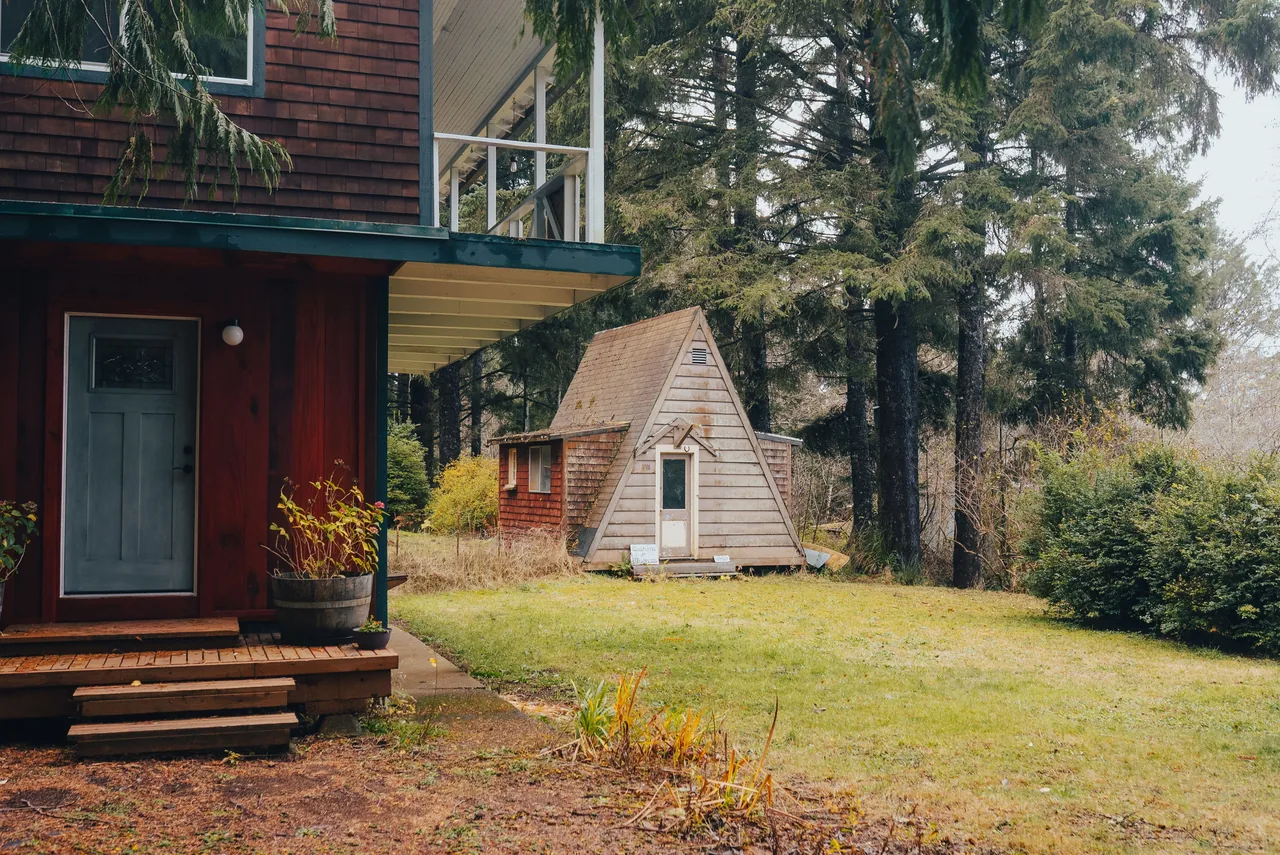
ADU construction in Florida means building a complete, independent second dwelling on your lot — an accessory dwelling unit with its own kitchen, bathroom, sleeping area, and entrance. In Florida, where a large retiree and multigenerational population drives demand, the ADU is one of the most-requested builds in the state: families use it as an in-law suite to keep aging parents close with private, accessible space, and homeowners use it for rental income in a tight housing market. A 2024 state law expanded where local governments may permit ADUs, but whether yours is buildable still comes down to your local zoning, lot size, setbacks, and utility capacity — which is exactly the feasibility check we run before any design work. A detached ADU is new construction, so it carries the full Florida discipline: an engineered wind-load load path, impact-rated openings, HVHZ compliance where applicable, proper egress, and its own utilities. We confirm it is permittable, build it to the FBC, and stand for the inspections so it is a legal, storm-ready home.
Watch
See ADU Construction Done Right in Florida
What Counts as an ADU in Florida?
An ADU is a self-contained living space on the same lot as the main home — not just an extra room. The form depends on your lot and your goal.
- Detached cottage — a standalone backyard unit on its own foundation, the most private option for an in-law or a renter
- Garage conversion — turning an existing attached or detached garage into a living unit, with insulation, egress, and code-compliant systems
- Garage apartment — a unit built above a garage, adding living space without using more yard
- Attached in-law suite — a wing of the main home with its own entrance, kitchenette, and bath, sharing a wall but living independently
- Aging-in-place suite — any of the above built with curbless entry, wider doorways, and slip-resistant floors for long-term accessibility
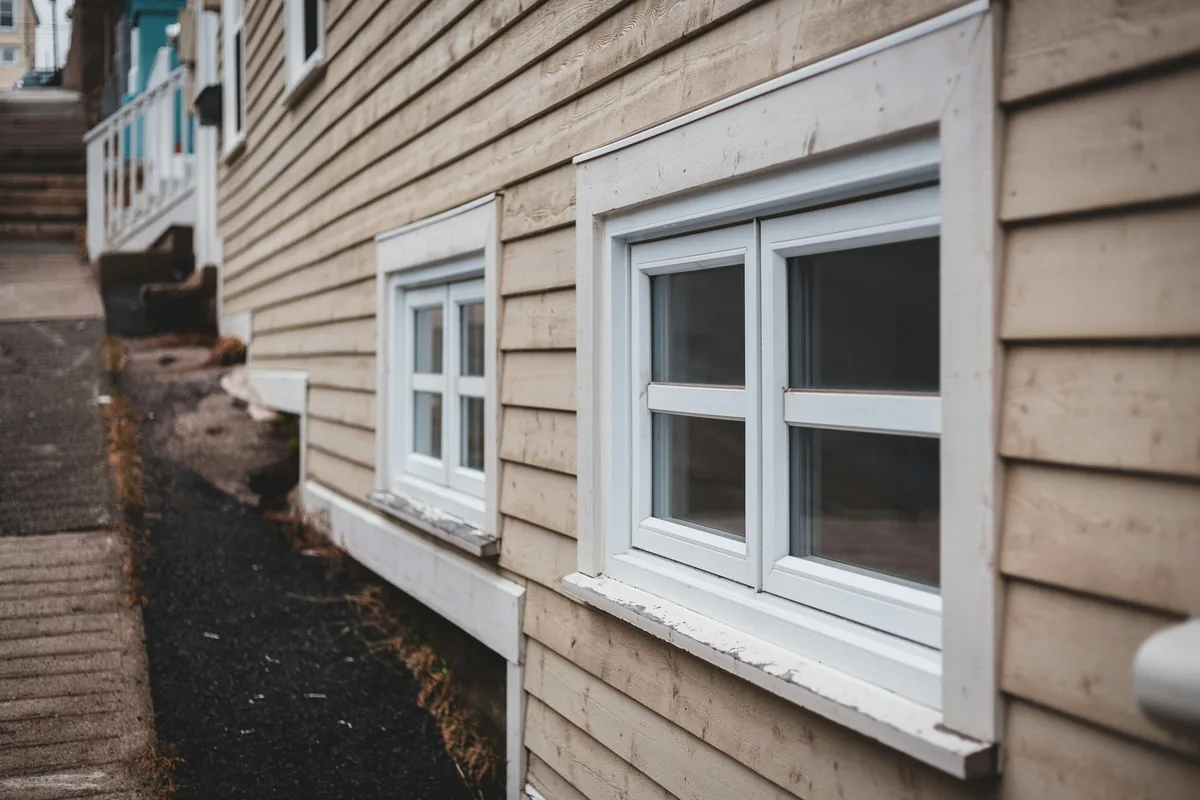
Want to Know If Your Lot Qualifies?
Free consultation, a zoning and utility feasibility check, and a written estimate for what is buildable — no pressure.
Zoning & Feasibility: The First Step
Before any design, we confirm an ADU is permittable on your specific lot. A 2024 Florida law widened where local governments may allow accessory dwelling units, but the decision still happens at the local level — and starting a design before checking is how a project stalls at the permit counter.
- Zoning — whether your parcel's zoning district permits an accessory dwelling, and under what conditions
- Setbacks and lot coverage — how close to property lines you can build and how much of the lot can be covered
- Size limits — the maximum ADU square footage your jurisdiction allows, often tied to the main home's size
- Utility capacity — whether your electrical service, water, and sewer or septic can support a second dwelling, or need upsizing
- Owner-occupancy and parking rules — local conditions that can apply to a rental ADU
We do this feasibility review at the free consultation, so you know what is buildable before you spend a dollar on design. Design Consultation
Why Florida ADUs Are Built Differently
A detached ADU is new construction, and a Florida home protecting an aging parent has to be built like one. The unit carries the full wind and moisture discipline, plus the egress and utility requirements of an independent dwelling.
- Continuous load path — straps, tie-downs, and uplift connectors from roof to foundation so the detached structure resists hurricane uplift on its own
- Impact-rated glazing or tested shutters in the wind-borne debris region, and full HVHZ compliance in Miami-Dade and Broward
- Egress — an exit door and code-compliant egress windows from sleeping areas, required for any dwelling
- Independent utilities — electrical, plumbing, and HVAC connected to your service or separately metered, sized for the load
- Mold-resistant board and moisture-tolerant finishes for slab-on-grade and Florida humidity, with optional aging-in-place detailing
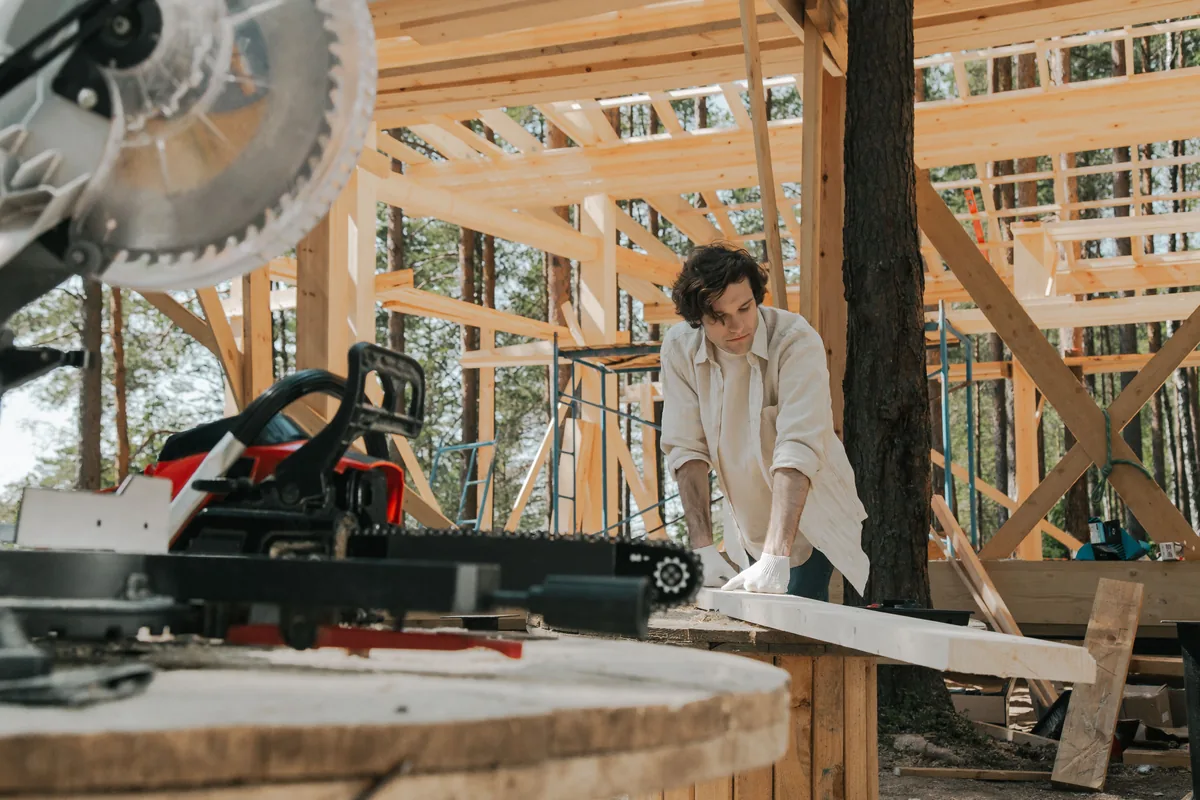
Florida Building Code, HVHZ & Permits for ADUs
An ADU is a permittable dwelling, and the permit is what makes it a legal, rentable, insurable unit. We handle the entire FBC permit process so the finished ADU stands on the record.
- Engineered drawings submitted with the application, showing the structure, egress, and utility connections
- Plan review managed on your behalf, including the zoning sign-off the ADU requires
- HVHZ documentation for openings and assemblies in coastal South Florida jurisdictions
- Inspections at foundation, framing, mechanical rough-in, and final — each one attended and signed off
Building it permitted from the start is what makes the investment real.
Standards & Systems We Build To
An ADU protecting family is built to the same standard as a new home.
- Simpson Strong-Tie hurricane straps & connectors
- PGT / CGI impact-rated windows & doors
- ZIP System structural sheathing & tape
- James Hardie fiber-cement siding to match the home
- GAF / Owens Corning roofing systems
- DensArmor mold-resistant board for wet areas
- Miami-Dade NOA rated assemblies for HVHZ
- Florida Product Approval documented openings
Our 6-Step ADU Construction Process
Every Pro Work ADU follows the same six-step framework — built for a permittable, wind-rated, self-contained result on a Florida lot.
- Free consultation & zoning feasibility. We check your lot against local zoning, setbacks, size limits, and utility capacity to confirm whether an ADU is permittable. No commitment.
- Design & written estimate. An ADU layout with egress and a kitchen/bath plan, plus a line-item estimate covering foundation, structure, utilities, finishes, permits, and timeline.
- FBC permit process. We submit engineered drawings, carry the project through plan review, and pull the permit — including HVHZ documentation where required.
- Foundation & wind-rated structure. We pour the foundation and frame with a continuous load path and impact-rated openings so the detached structure resists hurricane uplift.
- Utilities, egress & finishes. Electrical, plumbing, and HVAC connected or separately metered, egress windows and doors, then humidity-tolerant interior finishes.
Build a Home for Family — Or for Income
Fast reply. Lot feasibility checked. Wind-rated. Egress and utilities handled. Built to the Florida Building Code.
How to Identify a Qualified Florida ADU Builder
An ADU is a complete dwelling, and shortcuts on feasibility, structure, or egress leave you with an illegal or unsafe unit. Verify all of the following before signing anything:
- Checks zoning feasibility first
- A qualified ADU builder confirms your lot can permit a unit — zoning, setbacks, size, and utilities — before designing. Starting design without that check risks a project that stalls at the permit counter.
- Engineers a wind-rated structure
- A detached ADU is new construction and needs a continuous load path and impact-rated openings. Confirm the structure is engineered to the wind standard for your location.
- Designs proper egress
- Sleeping areas need code-compliant egress windows and an exit door. A dwelling without proper egress is unsafe and will not pass. Confirm egress is in the design.
- Handles independent utilities
- An ADU needs its own electrical, plumbing, and HVAC, connected or separately metered. The builder should confirm your service capacity and design the connections.
- Pulls the permit and stands for inspections
- The builder should handle the FBC permit process and attend the inspections so the ADU is a legal, rentable, insurable dwelling.
Florida ADU Construction Case Study
Our Installation Standards
Every Pro Work ADU meets these installation standards:
- Florida Building Code compliance
- Built to FBC structural, egress, and assembly requirements from engineered drawings, with HVHZ product-approved materials where coastal South Florida requires them. We handle the permit and the zoning sign-off.
- Wind-rated & self-contained
- A continuous load path for hurricane uplift, proper egress, and independent utilities — the detailing that makes the ADU a safe, legal, insurable dwelling.
Why Florida Families Choose Pro Work for ADUs
An in-law suite for an aging parent is not a place to cut corners. We confirm it is buildable, build it to the same standard as a new home, and permit it as a legal dwelling — so it protects whoever lives in it.
- Feasibility checked first. Zoning, setbacks, and utilities confirmed before any design work.
- Built like new construction. A wind-rated load path and impact-rated openings for the detached structure.
- Aging-in-place ready. Optional curbless entry, wider doorways, and slip-resistant floors for the long term.
- We handle the permit process. Engineered drawings, zoning sign-off, and the foundation-to-final inspections — off your plate.
- Free consultation & estimate. Lot feasibility check, code review, line-item breakdown, no high-pressure sales tactic.
Related Work We Coordinate
An ADU in Florida pulls in several scopes. We hold them under one crew so the project moves as one:
- Home Additions — when you want added space attached to the main home rather than a separate dwelling.
- General Contracting — one accountable crew running scope, permits, and every trade.
- Permit Handling — the FBC application, zoning sign-off, and inspections, managed for you.
- Design Consultation — feasibility, layout, and aging-in-place planning before construction begins.