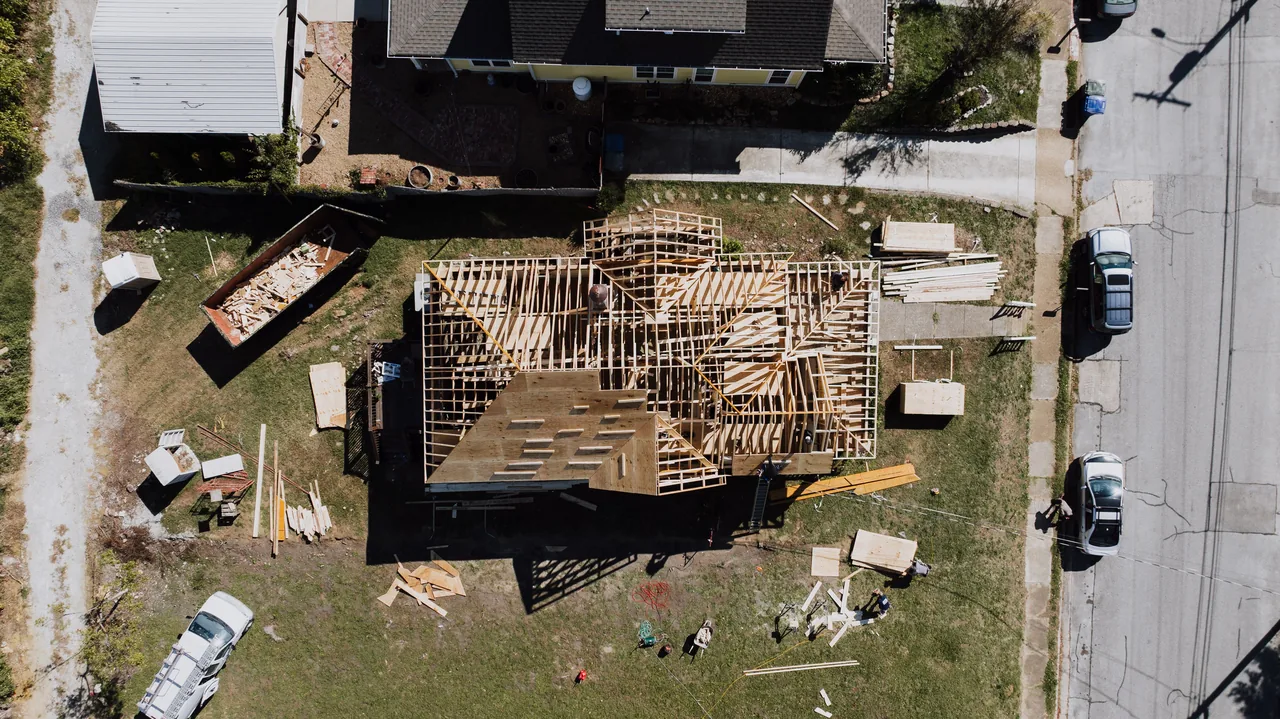
Home additions in Florida means growing the footprint of an existing home — a room addition, a master suite, a second story, or a Florida room — with structure that carries the same hurricane wind loads as new construction. The defining challenge is not the new walls; it is the connection. A Florida addition has to share a continuous load path with the original home, tie its foundation into the existing slab, and seal its roof and wall junctions so storm-driven water cannot enter at the seam. Add to that the FBC requirement for engineered structural drawings, impact-rated openings in the wind-borne debris region, and the heavier HVHZ rules in Miami-Dade and Broward, and an addition becomes a structural project, not a cosmetic one. We engineer the load path, handle the permit process, build the connection right, and stand for the inspections so your new square footage is legal, insurable, and standing after the next storm.
Watch
See Home Additions Done Right in Florida
Types of Home Additions We Build in Florida
Every addition starts from the same structural discipline, but the form depends on what you need and what your lot and existing house allow.
- Single-room addition — a bedroom, family room, or home office bumped off the existing footprint on a new tied-in foundation
- Master suite addition — a bedroom, bath, and closet wing, coordinating structure with new plumbing and HVAC
- Second-story addition — added up rather than out, gated by whether the existing foundation and walls can carry the load
- Florida room / sunroom — a glass-heavy living space that lives or dies on HVHZ-rated glazing and wind-load framing
- Garage or detached structure — a new attached garage or a detached building on its own foundation and load path
Wondering If Your Lot Can Take an Addition?
Free consultation, a setback and feasibility check, and a written estimate engineered for Florida wind — no pressure.
Wind-Load Engineering: The Florida Addition Non-Negotiable
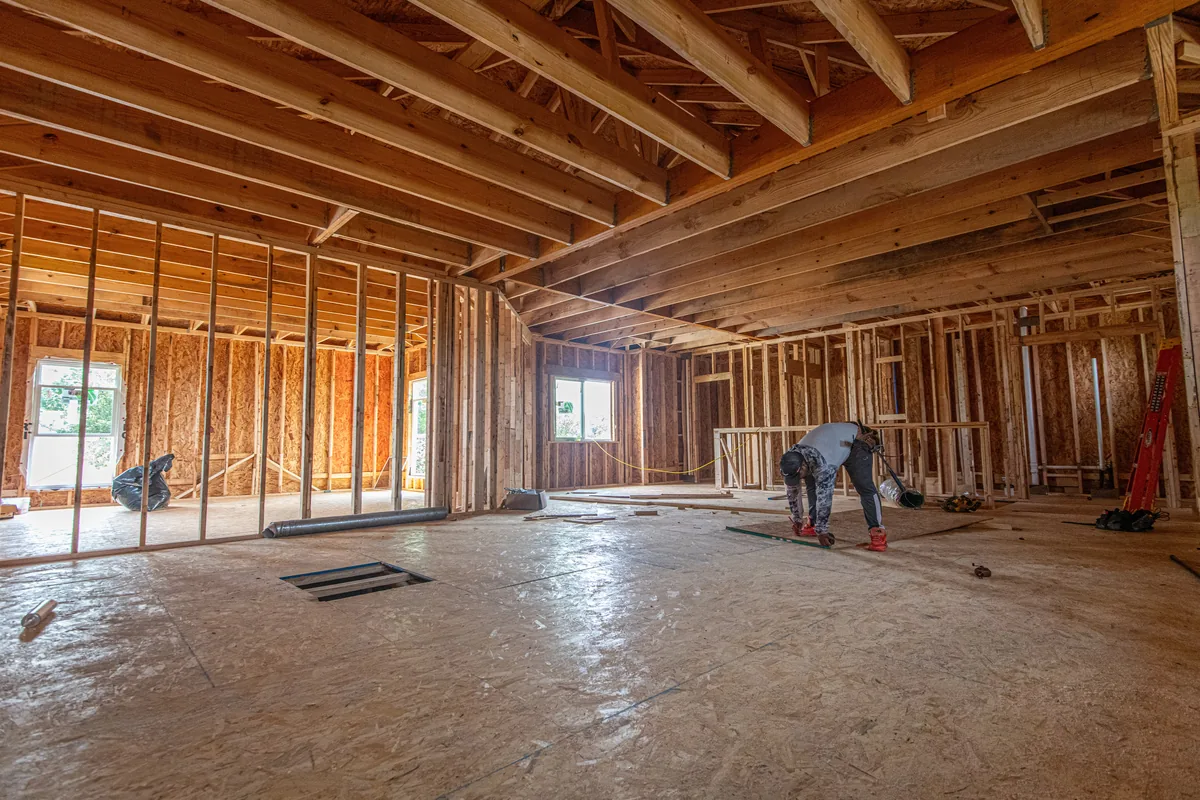
An addition has to resist hurricane uplift, and uplift wants to peel the structure off its foundation. The defense is a continuous load path — an unbroken chain of connectors that ties the roof to the walls to the foundation so wind forces transfer all the way to the ground instead of tearing a joint apart.
- Hurricane straps and tie-downs at every roof-to-wall and wall-to-foundation connection, sized by the engineering for your wind zone
- Uplift connectors that keep the roof from lifting and the walls from racking under storm load
- Impact-rated glazing or tested shutters on every opening in the wind-borne debris region — a broken window pressurizes the structure and can lift the roof
- HVHZ compliance in Miami-Dade and Broward, where assemblies and openings need a Florida Product Approval or Miami-Dade Notice of Acceptance
- Engineered, stamped drawings for the addition, which the building department requires before a permit is issued
Tying the Addition Into Your Existing Home
The seam between new and old is where Florida additions leak and fail. A bolt-on addition that does not share the original structure's load path becomes the weak point, and a poorly flashed junction becomes the leak. We engineer and build the connection so the two structures behave as one.
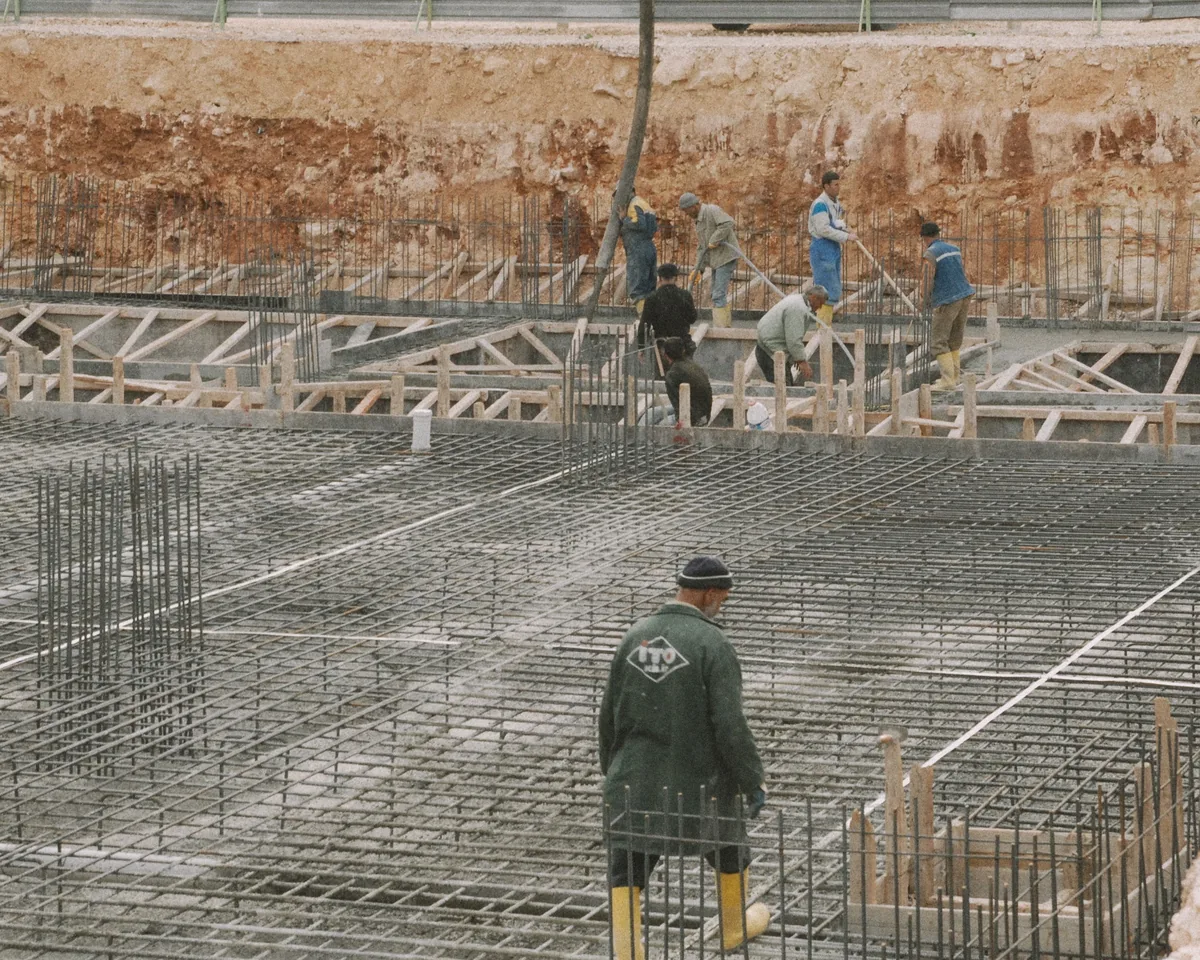
We tie the new foundation to the existing slab, lap the framing into the original walls and roof, and detail the wall and roof junctions with flashing and pressure-rated transitions so wind-driven rain has no path in. Where the addition extends mechanicals, we run electrical, plumbing, and HVAC into the existing systems with the right capacity. General Contracting →
Florida Building Code, HVHZ & Permits for Additions
Every addition that changes the footprint is permittable, and unlike a finish swap, it requires engineered structural drawings. We handle the whole FBC permit process so the new square footage is legal, insurable, and counted in a future appraisal.
- Engineered drawings submitted with the application, showing the load path and the connection to the existing structure
- Plan review managed on your behalf, including responding to reviewer comments so the permit does not stall
- HVHZ documentation for openings and assemblies in Miami-Dade, Broward, and other coastal South Florida jurisdictions
- Inspections at foundation, framing, mechanical rough-in, and final — each one attended and signed off
The permit is the part that protects all three.
Standards & Systems We Build To
The connectors and rated openings carry the storm — so they are not where we cut corners.
- Simpson Strong-Tie hurricane straps & uplift connectors
- PGT / CGI impact-rated windows & doors
- ZIP System structural sheathing & tape
- James Hardie fiber-cement siding to match
- GAF / Owens Corning roofing to tie into existing
- Miami-Dade NOA rated assemblies for HVHZ
- Florida Product Approval documented openings
- DensArmor mold-resistant board for wet areas
Our 6-Step Home Addition Process
Every Pro Work addition follows the same six-step framework — built for a connected, wind-rated, permitted result on a Florida home.
- Free consultation & feasibility. We walk the property, confirm setbacks and how the addition ties into the existing structure, and flag the wind-load and HVHZ requirements for your location. No commitment.
- Engineered drawings & estimate. Stamped structural drawings with a continuous load path, plus a line-item estimate covering foundation, framing, envelope, mechanicals, finishes, permits, and timeline.
- FBC permit process. We submit the application, carry it through plan review, and pull the permit — including the HVHZ documentation coastal jurisdictions require.
- Foundation & load-path framing. We pour the foundation tied to the existing slab and frame with straps, tie-downs, and uplift connectors forming an unbroken load path.
- Envelope, mechanicals & finishes. Impact-rated openings, a weather-tight envelope, then electrical, plumbing, and HVAC extended into the addition, followed by finishes that match the home.
Add Square Footage That Survives Storm Season
Fast reply. Wind-load engineered. Tied into your existing structure. Permits handled. Built to the Florida Building Code.
How to Identify a Qualified Florida Addition Builder
An addition is a structural project, and the wrong builder leaves you with a leaking, unpermitted bolt-on. Verify all of the following before signing anything:
- Engineered structural drawings
- A qualified Florida addition is built from stamped drawings showing the load path and the connection to the existing structure. No engineering means no permit — and no storm resistance.
- Continuous load path detailing
- Ask how the addition ties to the existing slab and how the roof-to-wall-to-foundation connectors form an unbroken path. A vague answer is a warning sign.
- Impact-rated openings for the wind zone
- Every opening in the wind-borne debris region needs impact glazing or tested shutters. Confirm the builder uses Florida Product Approval or Miami-Dade NOA openings.
- Pulls the permit and stands for inspections
- The builder should handle the FBC permit process and attend the foundation, framing, and final inspections so the addition is documented and legal.
- Written line-item estimate after a site visit
- A reputable builder walks the property, confirms feasibility, and itemizes foundation, framing, envelope, mechanicals, finishes, and permits. A round-number quote is a red flag.
Florida Home Addition Case Study
Our Installation Standards
Every Pro Work home addition meets these installation standards:
- Florida Building Code compliance
- Built to FBC structural, moisture, and assembly requirements from engineered drawings, with HVHZ product-approved materials where coastal South Florida requires them.
- Engineered for Florida wind & water
- A continuous load path tying the addition to your existing structure.
Why Florida Homeowners Choose Pro Work for Additions
A cheap addition looks the same on day one and fails at the seam in the first storm. We engineer the connection, build to the wind zone, and permit the work — because that is what makes new square footage worth having in Florida.
- Engineered, not bolted on. A continuous load path ties the addition to your existing slab and framing.
- Built for your wind zone. Impact-rated openings and HVHZ-compliant assemblies where your location requires them.
- We handle the permit process. Engineered drawings, plan review, and the foundation-to-final inspections — off your plate.
- Free consultation & estimate. On-site feasibility check, code review, line-item breakdown, no high-pressure sales tactic.
- One crew, prep to finish. Foundation, structure, mechanicals, and finishes under one schedule.
Related Work We Coordinate
An addition in Florida pulls in several scopes. We hold them under one crew so the project moves as one:
- General Contracting — one accountable crew running scope, permits, and every trade.
- ADU Construction — when the addition is a separate dwelling with its own egress and utilities.
- Permit Handling — the FBC application, plan review, and inspections, managed for you.
- Design Consultation — layout, material, and feasibility planning before construction begins.